Recovery Point vs Tow Hook: What Is the Difference?
A recovery point is generally built for recovery loads, and a tow hook is usually intended for towing or shipping tie-down use. Use only a point the vehicle maker says is rated for snatch or static recovery. The wrong attachment can bend sheet metal, tear brackets, or send hardware and strap ends flying. This guide compares load paths, design intent, and failure risk so you can tell which attachment is safe before you connect a strap.
| Decision factor | Recovery point | Tow hook | Winner |
|---|---|---|---|
| Design intent | Made for vehicle recovery loads, including controlled pulls with rated gear | Usually made for towing, transport restraint, or temporary pulling | Recovery point |
| Mounting path | Bolts to the chassis or a designated structural point with vehicle-specific hardware | May mount to a tow bracket, tie-down location, or other non-recovery point | Recovery point |
| Dynamic load tolerance | Designed for recovery load direction, angle limits, and rated hardware | Often not rated for snatch loads or off-axis pulls | Recovery point |
| Accessory compatibility | Works with soft shackles or rated bow shackles when fitment is correct | May not accept recovery connectors safely or at the right angle | Recovery point |
How each attachment point is used
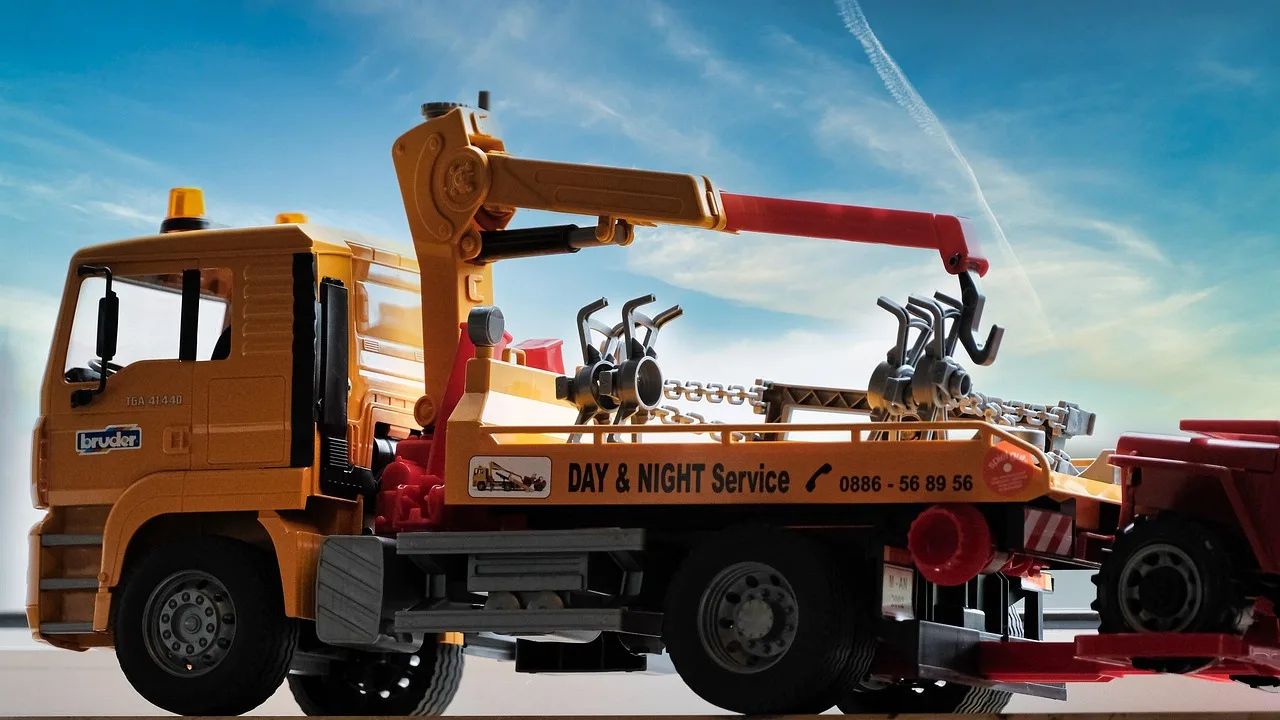
A recovery point is made and rated for vehicle recovery loads, while a tow hook is often meant for towing, transport restraint, or light pulling. The difference is the load path: recovery points transfer force into chassis structure designed for it, while many tow hooks are not approved for snatch or other dynamic recovery loads.
Why the same vehicle can have both
One vehicle can carry a front recovery point and a separate tow hook because the two parts solve different problems. The recovery point is for straight-line or controlled-angle recovery. The tow hook may be there for transport, shipping, or towing tasks that do not create the same shock load or side load.
| Recovery point or tow hook? | Design intent | Where it mounts | Visible clues | Acceptable use cases | Red-flag failure risks |
|---|---|---|---|---|---|
| Recovery point | Rated for vehicle recovery load | Chassis or designated structural mount | Stamped rating, thick bracket, vehicle-specific fitment, proper eye for a shackle | Snatch strap use, static recovery, rated soft shackle or bow shackle connection | Wrong angle, damaged threads, bent bracket, mismatched hardware |
| Tow hook | Towing or transport restraint, not always recovery | Factory tow bracket, temporary hook, or loop under the vehicle | Simple hook shape, loop, or threaded eye with no recovery rating | Manufacturer-approved towing or transport tie-down only | Hook prying open, bracket deformation, bolt shear, sheet metal tear-out |
What makes a recovery point rated?
A rated recovery point typically has a manufacturer load rating or certification, a vehicle-specific bracket shape, and secure fastening into chassis structure or another designated structural point. It also has clear limits for pull direction and angle, plus hardware that works with a soft shackle or a rated bow shackle.
Load rating and fitment
The rating is not decorative. It tells you the part was designed for recovery loads on that specific vehicle, or on a clearly defined platform. Vehicle-specific geometry matters because a bracket that fits one SUV may load a different frame rail, bumper beam, or substructure in the wrong place.
Mounting quality matters as much as the eye
Look for thick steel, clean welds if the part is welded, and fasteners that match the vehicle maker’s specification. Thin sheet metal, vague adapter plates, and loose fitment are warning signs. A shackle eye alone does not make the mount safe if the load path runs into weak metal.
Pull direction and hardware
Rated recovery points are meant for straight-line pull and controlled angles. Side loading, steep upward pulls, or sharp changes in direction can twist brackets and raise the chance of bolt shear or tear-out. Use a soft shackle when the eye fits correctly. Use a rated bow shackle when the opening or shape requires metal hardware.
Can you use a tow hook for snatch recovery?
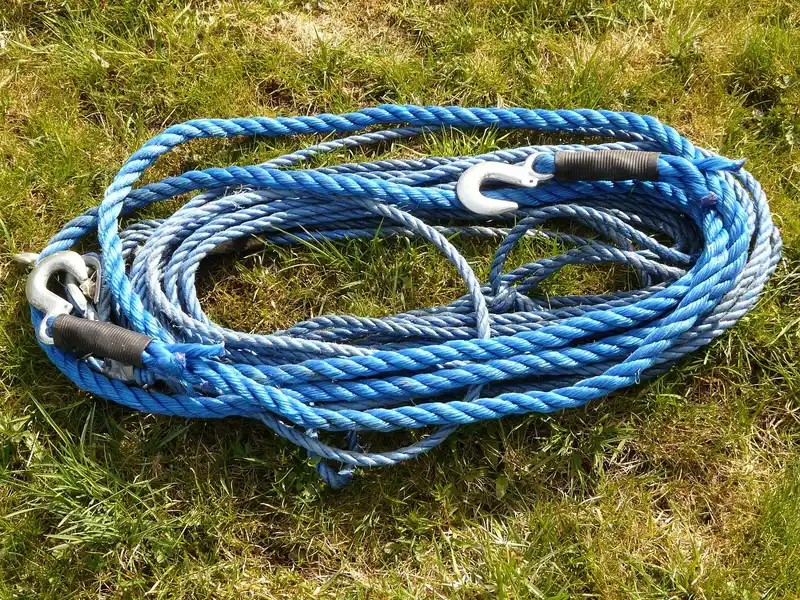
No, unless the manufacturer explicitly rates that tow hook for recovery. Snatch loads are usually harsher than towing loads because the strap stores energy and releases it in a short shock. That sudden force can pry a hook open, bend the bracket, shear bolts, or tear the mount from the vehicle.
Why snatch loads are different
Towing is usually a steady pull. Snatch recovery is dynamic. As the strap stretches and recoils, peak force can rise fast, especially if the stuck vehicle is buried in mud, sand, or snow. A part that survives gentle towing may still fail when the load spikes.
Common failure modes
Hook prying is one of the main hazards. A hook can rotate or open under load if the shape is not closed and rated for recovery. Bracket deformation, bolt shear, and mount tear-out are also common when the part was built for transport restraint rather than recovery energy.
Say your SUV is nose-deep in wet sand and the only front fitting is a factory tow hook with no recovery rating. A snatch strap attached there may pull the hook upward at an angle, which increases the chance of prying or bolt failure. A rated recovery point avoids that weak load path.
When a tow hook is still useful
A tow hook can be fine for towing, loading, or transport if the vehicle maker says so. It should not be treated as a general-purpose recovery point. If the part is not marked or documented for recovery, leave it out of snatch work.
How do you tell if a point is rated?
Start with the owner’s manual and the vehicle maker’s guidance. Then look for a marked part number, a load rating, and a bracket that bolts into chassis structure or another designated structural point. If the point is bent, rusted, cracked, or poorly mounted, do not use it for recovery.
What to inspect
- Check the manual or manufacturer upfit guide for approved recovery locations.
- Look for stamped markings, part numbers, or a stated working load limit.
- Confirm the bracket mounts to the chassis or a structural member, not thin sheet metal.
- Inspect the eye, loop, and fasteners for bending, elongation, or cracked paint.
- Reject any point with corrosion, deformation, or hardware that does not match the vehicle-specific fitment.
Visible clues that help
A rated recovery point often looks more purposeful than a plain hook. Expect thicker steel, a larger and cleaner eye opening, and hardware that appears designed for repeated load. If the part looks temporary, light, or generic, assume it is not for recovery until proven otherwise.
What not to trust
Do not trust suspension arms, bumpers, or tie-down loops unless the maker explicitly rates them for recovery. A tie-down loop is designed to hold a vehicle on a trailer, not to absorb a snatch load. That difference is where many failures start.
Front and rear recovery points
Front recovery points are more common because many vehicles are more likely to need a forward pull and because front structure is easier to package for recovery hardware. Rear recovery points are sometimes absent, especially on SUVs with limited underbody space or bodywork that leaves little room for a strong rear bracket.
SUVs versus pickups
Body-on-frame pickups often have stronger mounting options and more aftermarket support, but they still need vehicle-specific fitment. Unibody SUVs can have approved front and rear points, but the approved location may be narrower, lower, or more closely tied to a specific bracket design. Do not assume the same part fits both types.
Picture a midsize SUV with a rear tow loop tucked behind the bumper cover and a front recovery point mounted to a frame horn. The front point may be approved for a strap pull, while the rear loop may only be for transport restraint. The shapes can look similar from a distance and still be very different in strength.
Front and rear needs
Front recovery helps with most bogging and trail pulls, but a rear point can matter when the vehicle must be pulled backward or repositioned on a narrow track. If your vehicle only has one approved point, follow the maker’s guidance and do not improvise a second attachment from a non-rated loop.
Recovery point or tow hook decision table
Choose the attachment that matches the load, the mount, and the manufacturer’s approval. A recovery point is the right pick when you need a rated recovery load path. A tow hook may be acceptable only for towing or transport restraint when the vehicle maker allows it.
| Situation | Use recovery point | Use tow hook | Notes |
|---|---|---|---|
| Snatch strap recovery in sand, mud, or snow | Yes | No | Use only rated recovery gear and the approved mounting point |
| Transport tie-down or towing per manufacturer guidance | No, unless the maker says that point is approved for towing | Yes, if rated for that use | Follow the vehicle manual and the accessory instructions |
| Vehicle has only tie-down loops under the chassis | No | No | Do not use tie-down loops for recovery unless explicitly rated |
When to choose a recovery point
Choose a recovery point when the job involves a strap, a shackle, or any dynamic pull from a stuck vehicle. Choose it when the part is vehicle-specific, rated, and mounted into a structural location. Choose it when the hardware is in good condition and the pull angle stays within the maker’s limits.
When a tow hook may be acceptable
Choose a tow hook only when the vehicle maker approves that hook for its intended task, such as towing or transport restraint. If the hook is not rated for recovery, keep it out of snatch work. A hook can be correct for one job and wrong for another.
What to do if you only have tie-down loops
Stop and confirm the approved recovery hardware before attaching a strap. Tie-down loops, suspension arms, and bumper mounts are not substitutes for a recovery point. If the vehicle does not have a rated point, use an approved recovery kit made for that exact model.
Choose Recovery point if… / Choose tow hook if…
Choose a recovery point if you need a rated attachment for snatch recovery, static recovery, or a controlled pull with a soft shackle or rated bow shackle. Choose a tow hook only if the vehicle maker approves it for towing or transport restraint and you are not using it as a recovery anchor.
- Choose Recovery point if… the part is rated, vehicle-specific, and mounted to chassis structure.
- Choose Recovery point if… you need the front or rear of an SUV or pickup to take a recovery strap load.
- Choose Recovery point if… the attachment eye, bracket thickness, and fasteners match the recovery hardware.
- Choose tow hook if… you are doing towing or transport restraint and the manual approves that hook for that use.
- Choose tow hook if… the job does not involve a dynamic snatch load.
- Choose neither if… the only options are tie-down loops, thin mounts, bent hardware, or rust-damaged parts.
Frequently asked questions
What is the difference between a recovery point and a tow hook?
A recovery point is designed and rated for vehicle recovery loads, while a tow hook is usually intended for towing, transport restraint, or temporary pulling. The key difference is the load path and the amount of shock the part can handle. A part that looks similar may still have a very different rating.
Are factory tow hooks rated for vehicle recovery?
Sometimes, but not always. Some factory tow hooks are approved for recovery, while others are only for towing or transport use. Check the owner’s manual, the part markings, and the vehicle maker’s guidance before you attach a strap or shackle.
How do I tell if my vehicle has rated recovery points?
Check the owner’s manual first, then inspect the mounting location for a stated load rating, part number, or vehicle-specific bracket. A rated point usually bolts into chassis structure or a designated structural mount, not thin sheet metal. Bent, corroded, or poorly fitted hardware should be rejected.
What happens if I recover from the wrong hook or loop?
The most common outcomes are bent brackets, pried hooks, sheared bolts, or a torn mounting point. In a snatch recovery, the hardware can fail suddenly because the load rises fast. That can send the strap, shackle, or broken metal moving in an unsafe direction.
Can recovery points be installed without a bull bar?
Yes, if the vehicle-specific recovery point kit is designed to mount to the chassis or another approved structural point. A bull bar is not a requirement. What matters is the approved mounting path, the correct hardware, and clear fitment for that exact vehicle.