Compact SUV vs Crossover: What’s the Difference?
Compact SUV and crossover are often used to mean a similar kind of two-row utility vehicle built on car-type architecture, though some models use a truck-like platform or body-on-frame construction. Mixing the labels can send you toward the wrong size, towing limit, or AWD system. This guide explains the engineering difference, then shows how to judge city driving, winter traction, family space, towing, and light off-road use.
| Decision factor | Compact SUV | crossover | Winner |
|---|---|---|---|
| Platform and structure | Often a broader market label; may include car-based or truck-like builds | Usually car-based with a monocoque platform | crossover |
| Drivetrain and traction | AWD is common, and some models add more off-road hardware | AWD is often available, but traction alone does not equal trail ability | Compact SUV |
| Fuel economy and weight | Can be lower if the model is heavier or truck-based | Usually lighter and more efficient | crossover |
| Ride height and everyday use | Often sits higher, but size can make parking and loading less easy | Elevated ride height with easier city use and a smaller footprint | crossover |
| Off-road and towing potential | More likely to offer stronger off-road orientation and better towing setups | Usually tuned for road use, not repeated rough-road work | Compact SUV |
Compact SUV vs crossover at a glance
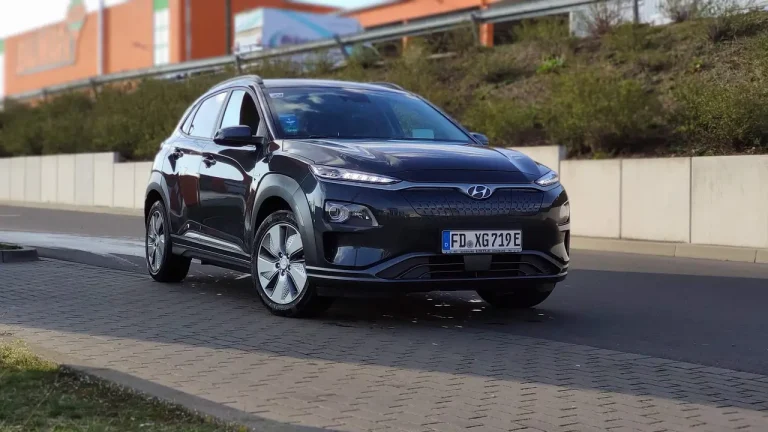
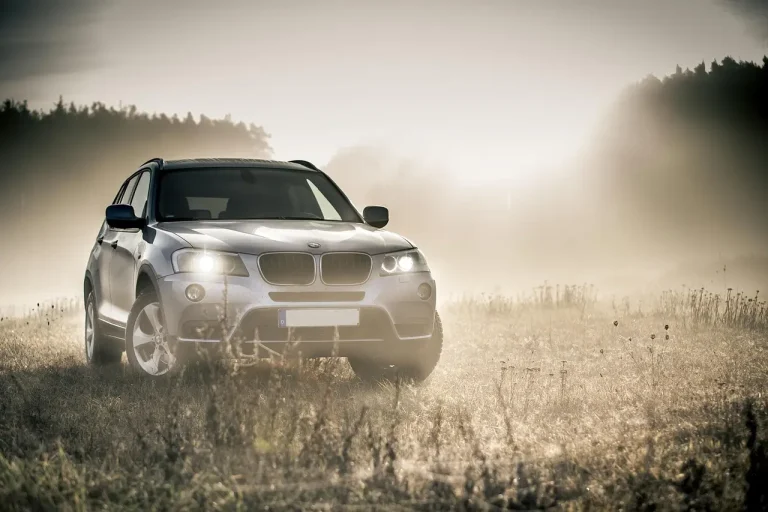
The naming fight matters less than the hardware. A crossover utility vehicle, or CUV, is typically car-based, often uses a monocoque platform, and tends to give you car-like gas mileage and manners. A traditional SUV is more likely to be built like a truck, with more off-road capability and more weight.
That overlap is why shoppers get stuck. The badge alone does not tell you enough about AWD, cargo shape, ride height, or whether the vehicle can handle snow, gravel, or towing without strain.
Start with use case, then read the spec sheet. If a model has a car-based chassis, modest ground clearance, and a flat cargo floor, it is acting like a crossover even if the brochure calls it a compact SUV.
Platform and construction
The platform tells you how the vehicle is built. Monocoque construction uses one body structure, which usually keeps weight down and helps fuel economy. Body-on-frame construction separates the body from the frame, which is why traditional SUVs are often heavier and better suited to rough use. (Wikipedia)
Drivetrain and traction
All-Wheel Drive can add traction, but it does not create low-range gearing or true trail hardware. A crossover with AWD can be a smart winter choice. It is still not the same as an SUV built for mud, ruts, or repeated steep climbs.
Ride height and visibility
Ground clearance helps with sightlines and light rough-road use. It does not replace skid plates, low-range gearing, or more durable suspension parts. A higher seat can make traffic easier to read, but height alone does not make a vehicle trail-ready.
What is the difference between a compact SUV and a crossover?
The main difference is usually the build, not the badge. A compact crossover is commonly car-based, lighter, and tuned for everyday driving, while a compact SUV label may cover anything from a crossover to a more truck-like model. In many listings, the terms overlap heavily.
That is why the practical question is not “Which name is correct?” It is “What is underneath it?” Check the platform, drivetrain layout, ride height, and cargo shape before you trust the marketing label.
Say your daily route is city streets, a tight garage, and occasional school-run loading. A car-based compact crossover usually fits that use better than a heavier SUV with more off-road hardware you will not use.
Why the names overlap in the market
Manufacturers and reviewers often use crossover and SUV interchangeably. Car and Driver says the terms are essentially interchangeable, and its crossover rankings focus on smaller, on-road-focused models. Toyota describes the crossover as blending SUV capability with small-car efficiency.
That tells you where the confusion starts. The market label may describe the target buyer, while the engineering tells you what the vehicle can actually do.
What shoppers should compare first
Compare construction, AWD availability, fuel economy, and cargo shape before you compare trim names. A short list of features can reveal more than the badge on the tailgate.
- Check whether the vehicle uses a monocoque or body-on-frame build.
- See whether AWD is standard, optional, or absent.
- Look at ground clearance and approach to rough roads.
- Inspect the cargo opening, floor height, and seat-folding shape.
- Match the drivetrain to your actual driving, not a brochure use case.
Are crossover and SUV the same thing?
In common shopping language, they often are treated as the same thing. In engineering terms, they are not always the same, because crossover usually points to a car-based design and SUV often points to a more truck-like build. The overlap is large enough that you should read the hardware first.
That matters most when the vehicle will tow, travel unpaved roads, or deal with snow often. A model called an SUV may still behave like a crossover if it rides on a car platform and lacks stronger off-road equipment.
Where compact SUVs fit in the crossover spectrum
Compact SUV is often a market size label, not a strict engineering class. Many compact SUVs are crossovers in practice. Some are simply larger or more truck-oriented than the smallest car-based utility vehicles.
A common first-timer mistake is assuming every compact SUV has the same capability. Two models with the same badge can differ sharply in towing rating, ride quality, and trail use.
Is a crossover built on a car platform?
Usually, yes. Crossovers are built on a car-based chassis, structure, and driveline, which is why they often drive more like a sedan or hatchback than a truck. That layout also tends to support lower weight and better fuel economy.
Monocoque construction is the usual clue. The body and frame are integrated into one structure, which saves mass and usually helps handling on pavement. That is a big reason crossovers are common in compact sizes.
Why AWD is common here
Crossovers often include the added traction of AWD. That helps on wet pavement, slush, and light snow. It does not automatically improve ground clearance, tire choice, or the ability to crawl through deep ruts.
Suppose you commute through winter streets and need confident starts from stoplights. An AWD crossover can be a good fit. If the same commute includes repeated snow banks, steep trails, or unplowed roads, the hardware question gets more serious.
What makes an SUV different?
An SUV is more likely to use body-on-frame construction and a truck-like layout. That usually brings more weight, more rugged packaging, and stronger off-road orientation. It can also bring more passenger and cargo room, depending on the model.
That extra hardware is useful when the vehicle does more than school runs and highway miles. It matters for rough roads, towing, and places where ground clearance alone is not enough.
Why many SUVs stay larger and heavier
Body-on-frame packaging usually adds mass and size. That can reduce fuel economy, but it can also help with durability in harsher use. The trade-off is clear: more capability potential, less ease in daily driving.
Where stronger off-road hardware matters
Look for low-range gearing, stronger suspension tuning, skid plates, locking differentials, and real clearance figures that support the terrain you face. AWD is helpful, but it is only one part of off-road capability.
A vehicle that can handle a dirt driveway is not the same as one that can handle a muddy trail after rain. The difference is hardware, not badge wording.
Crossover vs SUV comparison table
| Criteria | Compact SUV | crossover | Winner |
|---|---|---|---|
| Daily driving ease | Can be easy, but often larger or heavier | Usually easier to park, load, and live with | crossover |
| Fuel economy | Often lower if the vehicle is heavier or truck-based | Usually better because of car-based construction | crossover |
| Winter traction | Can be strong if AWD and proper tires are fitted | Also strong with AWD, but traction still depends on tires and setup | tie |
| Rough-road and off-road use | More likely to have the needed hardware | Usually aimed more at road use | Compact SUV |
| Cargo and passenger capacity | May offer more room in some models | Can be efficient in space, but not always larger | Compact SUV |
Daily driving ease
Crossovers usually win here because the car-based layout tends to feel lighter and more manageable in traffic. Smaller footprint matters in parking garages, dense neighborhoods, and narrow driveways.
Fuel economy and weight
Fuel economy often tracks with mass and structure. Crossovers are typically more efficient than traditional SUVs because they are usually lighter and built on a car platform. The 2027 Chevrolet Trax is listed with 30 combined mpg, while the 2026 Honda CR-V Hybrid is listed at 35–40 combined mpg, showing how even within the crossover space, efficiency can vary widely.
Winter traction
AWD helps both categories move more confidently on slippery pavement. But traction is not the same as real off-road ability. Tires, clearance, and drivetrain hardware still matter more than the badge.
Rough-road and off-road use
Traditional SUVs are generally better suited to off-road work. Body-on-frame construction, stronger hardware, and more rugged calibration matter on broken pavement, dirt roads, and trails. A crossover may manage a gravel lane or campsite road, but that is a different task.
Cargo and passenger capacity
Some SUVs offer more passenger and cargo room because they are larger by design. A crossover can still carry a family well, but cargo shape is important. A wide opening and flat floor matter more than the name on the liftgate.
Compact crossover decision matrix
| Use case | Best setup | What to look for | Avoid if |
|---|---|---|---|
| City driving | FWD crossover | Compact footprint, good visibility, easy-loading cargo floor | You need heavy towing or trail use |
| Winter driving | AWD crossover | AWD plus winter tires and adequate ground clearance | You expect AWD to replace off-road hardware |
| Family hauling | crossover with practical cargo shape | Flat load floor, wide hatch opening, rear-seat room | You need three rows or large cargo volume |
| Light off-road travel | AWD crossover with better clearance | Higher ride height and underbody protection where available | The route includes mud, ruts, or steep climbs |
| Towing and rough-road use | Compact SUV | Stronger towing setup, body-on-frame or similarly rugged build | You only drive in town |
City driving setup
A front-drive crossover is usually the cleanest fit for city work. It keeps purchase cost, fuel use, and parking stress lower than many heavier SUVs. For commuters who rarely leave pavement, extra off-road hardware is dead weight.
Winter driving setup
AWD tends to matter most when traction changes quickly, such as slush, packed snow, and steep driveways. Still, winter tires often make a bigger difference than drivetrain choice alone. A crossover with AWD is a strong fit for that job.
Family hauling setup
Families should care about cargo opening shape, rear-seat access, and load height. A compact crossover with a flat floor can be easier to use than a taller SUV, even if the SUV name sounds more capable on paper.
Light off-road setup
For forest roads, campsite gravel, and the occasional washboard surface, a crossover can be enough if clearance is decent and the route stays mild. Once the path gets rougher, the limits appear quickly.
Towing and rough-road setup
Frequent towing and repeated rough-road use point toward a traditional SUV. The difference is not marketing flair; it is structure, weight, and the hardware beneath the body.
When does a compact crossover stop being enough?
A compact crossover stops being enough when the job asks for more than car-based traction and modest clearance can provide. That usually means regular towing, repeated snow travel on unplowed roads, or rough terrain where underbody protection and stronger hardware matter more than fuel economy.
The turning point is not one bad storm or one gravel road. It is repeated use. If the vehicle will do the hard job often, buy the hardware built for it.
Towing limits and payload concerns
Crossovers can tow, but they are not the best choice for frequent or heavy towing. Payload and towing limits vary widely, and that is why the spec sheet matters. A model that feels fine empty may struggle when loaded with people, gear, and a trailer.
Repeated snow travel and traction needs
AWD adds traction, but repeated snow travel asks for more than that. Tire quality, ground clearance, and the ability to push through deep accumulation all matter. If winter is a regular obstacle, not an occasional event, a more capable SUV may be worth it.
Rutted roads, mud, and trail use
Rutted roads and mud expose the gap between a crossover and a true off-road SUV. A crossover may get through light rough roads. It is the wrong choice once you need more suspension travel, more clearance, or hardware that can cope with repeated abuse.
Ground clearance versus real hardware
Ground clearance helps, but it is not a substitute for low-range hardware. A tall ride height can improve visibility and reduce scraping on mild obstacles. It cannot make up for a drivetrain that was tuned for pavement first.
Choose Compact SUV if… / Choose crossover if…
Choose Compact SUV if you need frequent towing, regular rough-road use, or a more rugged build for winter roads and trail access. Choose crossover if you want a smaller, easier-to-use vehicle for city driving, family errands, and better fuel economy with occasional AWD traction.
- Buy this if you mainly drive in the city: crossover
- Buy this if winter grip matters more than trail work: crossover with AWD
- Buy this if you need frequent towing or rough-road use: Compact SUV
- Skip this if you want true off-road hardware: crossover
Picture a shopper with a short commute, a narrow parking space, and weekend grocery runs. A crossover fits that pattern well. Now picture a buyer who reaches a cabin by muddy track in spring and tows a small trailer several times a month. That buyer should be looking past the badge and toward a compact SUV with the right hardware.
Frequently asked questions
Is a compact SUV better than a crossover for fuel economy?
Usually no. Crossovers are typically more efficient because they are lighter and built on car-based structures. Fuel economy still depends on engine, AWD, tires, and weight. A heavier or truck-based compact SUV can use more fuel than a crossover with similar size.
Do crossovers have AWD like SUVs?
Many do. AWD is common on crossovers, and it adds traction for wet or snowy roads. But AWD is not the same as true off-road capability. Low-range gearing, clearance, and underbody protection matter when the road gets rough.
When does a crossover become a real SUV?
There is no clean line, because the market uses the terms loosely. A vehicle starts acting more like a real SUV when it moves toward body-on-frame construction, stronger off-road hardware, and a setup built for rough terrain or towing rather than mostly urban use.