SUV Transmission Problems: Signs, Causes and Fixes
If your SUV has delayed engagement, repeated slipping, a sudden harsh bang into gear, red fluid under the vehicle, a burning smell, or a warning light with one fixed gear, treat it as a transmission problem until proven otherwise. The quickest safe triage is simple: check for leaks, confirm whether drive and reverse engage within about a second, avoid towing or highway driving, and tow the SUV if fluid is low, engagement fails, or limp mode is active.
- Likely safe only for a short, gentle trip: one isolated harsh shift, no slip, no leak, no warning light, normal engagement hot and cold.
- Borderline: mild shudder once warm, small seep, delayed engagement that is consistent but not worsening.
- Stop driving and tow: repeated slipping, no drive or reverse, active leak, burnt smell, severe shudder, or limp mode stuck in one gear.
SUV transmission problems can show up as slipping, delayed drive or reverse engagement beyond about 1 second, harsh shifts, fluid leaks, overheating, or a warning light; stop driving if fluid is low, it will not engage, or it drops into limp mode. Ignore those signs and a fluid service or solenoid repair can become clutch damage, hard-part failure, or a full transmission rebuild. This guide matches each symptom pattern to the most likely cause, short-term driving risk, and usual fix.
The fastest way to sort an SUV transmission complaint is to group symptoms that show up together. Delayed engagement plus a low fluid level points in a different direction than shudder at steady throttle, or a warning light with limp mode and one fixed gear. Transmission type matters too: a traditional automatic, a CVT, and a DCT can all feel like “slip,” but the likely fault and the safe next step are not the same. For related symptom patterns, see common causes of SUV transmission problems and whether an SUV transmission can fail without warning.
The transmission routes engine torque through gearsets and clutches so the SUV can move off, accelerate, cruise, and back up at the right ratio. That is enough theory for diagnosis. What matters here is hydraulic pressure, fluid condition, electronic control, heat, and whether the unit still engages cleanly under load.
How to read SUV transmission symptoms
Why symptom clusters beat one-symptom diagnosis
Delayed shifts, whining or grinding, slipping under load, red fluid spots, and warning lights are the usual early signs. One sign by itself can send you the wrong way. A harsh 2-3 shift with clean fluid and a stored shift-solenoid code is a different problem from harsh shifts plus a burnt smell and dark fluid.
Look for the pattern: when it happens, whether it is worse hot or cold, whether it affects drive, reverse, or both, and whether the engine revs rise without matching vehicle speed. That combination tells you more than any single complaint.
How transmission type changes the meaning of a symptom
A traditional automatic uses fluid pressure, clutch packs, a valve body, and often a torque converter. Delayed engagement, flare between shifts, slipping under load, and a burning smell fit that layout well.
A CVT often does not “shift” in the usual stepped way, so owners may describe a rubber-band feel, ratio hunting, shudder on takeoff, or rising rpm with weak acceleration. Those can still come from low or degraded fluid, but pulley, belt, or control-pressure faults move higher on the list.
A DCT can act more like a manual that shifts itself. Jerky low-speed moves, hesitation from a stop, or clutch chatter can point to clutch wear, clutch adaptation issues, or mechatronic faults rather than a torque converter problem. Because service requirements vary by design, use the exact factory schedule and fluid specification for the transmission in question rather than a generic mileage rule; many manufacturers publish transmission-fluid intervals in the owner’s manual or maintenance guide, such as Honda’s Maintenance Minder guidance and Volkswagen maintenance schedules (Honda Owners; Volkswagen Maintenance).
How towing, heat, and stop-go driving shift the odds
SUVs see loads that many sedans do not. Towing, steep grades, heavy cargo, larger tire changes, and repeated stop-go heat cycles raise fluid temperature and increase pressure demand. That shifts the odds.
If the symptom appears after a long uphill pull or in summer traffic, overheated fluid and pressure loss move up the list. If it only shows during gentle city driving, a solenoid, range sensor, or TCM issue becomes more likely.
Picture a midsize SUV with oversized all-terrain tires and a roof box that suddenly flares on the 2-3 shift after a weekend towing trip. The tire change alone does not prove failure, but the added load and heat make low fluid, old fluid, or clutch wear more likely than a random sensor glitch.
Common SUV transmission problems and what they usually mean
If your SUV is slipping, shifting hard, leaking fluid, or showing a transmission warning light, the most likely cause is often one of a handful of common faults rather than a mysterious failure. SUV transmission problems are usually traced to fluid issues, overheating, wear inside the transmission, or sensor-related faults, and each symptom points to a different level of urgency.
This section helps you connect the symptom to the likely cause so you can decide whether to top off fluid, schedule a diagnosis, or stop driving immediately. That matters because early action can prevent a minor issue from turning into a costly rebuild.
What are the first signs of transmission problems in an SUV?
The first signs are often delayed engagement into drive or reverse, flare between shifts, slipping under load, harsh upshifts or downshifts, shudder, fresh fluid spots, a burning smell, or a warning light. If the SUV suddenly stays in one gear, limp mode may already be active and driving risk rises fast.
Delayed engagement into drive or reverse
If there is a pause after selecting drive or reverse, check fluid level and pressure first. Automatic transmissions can show delayed shifting when transmission fluid is low or internal parts wear. The same logic applies to delayed engagement from park into gear.
A one-time cold-start hesitation is less alarming than a repeat delay after the vehicle is fully warm. Warm-delay complaints often point to worn seals, pressure loss, a clogged filter where fitted, or pump wear.
Slipping, flare, and weak pull under load
Slipping means engine speed rises without matching road speed. Flare is the rpm jump between shifts. Both matter more when the SUV is climbing, towing, or merging, because load exposes pressure weakness that light driving can hide.
Suppose a 3-row SUV with high mileage only slips on a highway on-ramp with passengers and cargo. That pattern fits low fluid, worn clutch packs, or a tired torque converter more than a simple software issue.
Harsh shifts, shudder, warning lights, leaks, and smell
Rough shifting usually traces to a pressure or control fault: low fluid can starve the pump, a sticking shift solenoid can misroute fluid, and a TCM fault can command the wrong timing or line pressure. Shudder during lockup at light throttle often points to torque converter clutch problems or degraded fluid, while a bang into gear may fit a pressure-control or solenoid fault.
Transmission fluid often shows up as red or reddish-brown spots under the vehicle. A burning smell usually points to overheated fluid. If both show up together, treat that as a stop-now pattern rather than a “watch it for a week” pattern.
Transmission triage table
| Symptom | Likely cause | What to inspect first | Whether driving is safe | Most common repair path |
|---|---|---|---|---|
| Delayed engagement into drive or reverse | Low fluid, pressure loss, clogged filter, worn internal seals, weak pump | Fluid level and condition where the design allows; fresh leaks at pan, cooler lines, axle seals | A short trip is only a reasonable choice if engagement is consistent and fluid is not low; tow it if the delay gets worse when hot. | Leak repair and fluid service first; pressure testing; pump or internal repair if no change |
| Flare between shifts, rpm rise under load | Low fluid, clutch-pack wear, valve-body wear, solenoid fault, torque-converter slip | Fluid level, burnt odor, scan for ratio or pressure codes, note whether worse on hills or towing | No if repeated; clutch damage can spread fast | Fluid and filter service only if fluid is not badly burnt; solenoid or valve-body work; rebuild if clutch material is failing |
| Harsh shift or bang into gear | Shift solenoid issue, TCM fault, pressure-control problem, old fluid | Warning lights, stored codes, battery voltage history, fluid condition | Sometimes for a short distance if engagement is normal and no slip; avoid load | Diagnostic scan, software update or reset where applicable, solenoid testing, valve-body repair |
| Shudder at steady throttle around lockup | Torque converter clutch slip, degraded fluid, heat stress | Whether shudder appears after warm-up, fluid smell, towing or grade history | Borderline; stop if shudder becomes severe or speed control is erratic | Fluid service if early and fluid is not burnt; torque-converter replacement in stronger cases |
| Noises with poor acceleration | Torque converter problem, pump issue, internal bearing damage | Whether noise changes in drive versus park, fluid level, metal debris in pan if opened | No if noise is new and pull is weak | Pressure test, converter replacement, rebuild if internal hard parts are damaged |
| Red or reddish-brown fluid under SUV | Pan gasket, cooler line, axle seal, case connector, radiator cooler failure | Leak source, drip rate, fluid level before restart | No if fluid loss is active or level is low | Leak repair, refill with correct fluid, recheck for pressure loss or overheating damage |
| Burning smell with dark fluid | Overheated fluid, clutch material distress, converter heat, low level | Fluid color and smell, cooler line condition, warning lights, towing history | No; heat damage compounds quickly | Root-cause diagnosis first; fluid service only for mild cases, rebuild if slipping or debris is present |
| Warning light with one fixed gear | TCM fault, sensor failure, hydraulic pressure loss, limp mode | Scan codes, speed sensors, range sensor, battery and charging condition | Usually tow; limp mode can limit the vehicle to 2nd or 3rd gear | Code-based repair, software update or reset if valid, sensor or solenoid replacement, deeper repair if pressure codes return |
| CVT rpm flare or ratio hunting | Low or wrong fluid, control-pressure fault, pulley or belt wear | Exact fluid spec, scan data for ratio error, overheat history | Usually no if slip is obvious | Fluid service only if caught early and correct fluid is used; control or internal CVT repair if slip remains |
| DCT hesitation or clutch chatter from a stop | Clutch wear, adaptation issue, mechatronic fault, heat stress | Whether symptom is only low-speed, stored clutch or actuator codes, service history | Short distance only if engagement remains predictable | Adaptation or software procedure, fluid service where required, clutch or mechatronic repair |
Can low transmission fluid cause rough shifting in an SUV?

Yes. Low fluid can cause rough shifting because the transmission depends on fluid for hydraulic pressure, lubrication, and cooling. When the level drops, shifts can become late, harsh, or slippery, and heat rises quickly under SUV loads such as towing, steep grades, or stop-go driving.
How fluid level changes pressure, lubrication, and cooling
Automatic transmissions use fluid pressure to apply clutches and bands. If the pickup draws aerated fluid because the level is low, pressure becomes unstable. That can cause delayed engagement, harsh shifts, flare, or total loss of drive in severe cases.
Fluid also carries heat away and lubricates moving parts. Once level or condition drops off, the same SUV that felt normal around town may start acting up during hill climbs or after 20 minutes in traffic.
What old or contaminated fluid changes in shift quality
Old fluid loses friction stability and heat control. Contaminated fluid can carry clutch material or metal debris that affect valves, solenoids, and filter flow. That is why a fluid service can help early pressure and shift complaints, but it is not a cure for severe slipping with burnt fluid and debris.
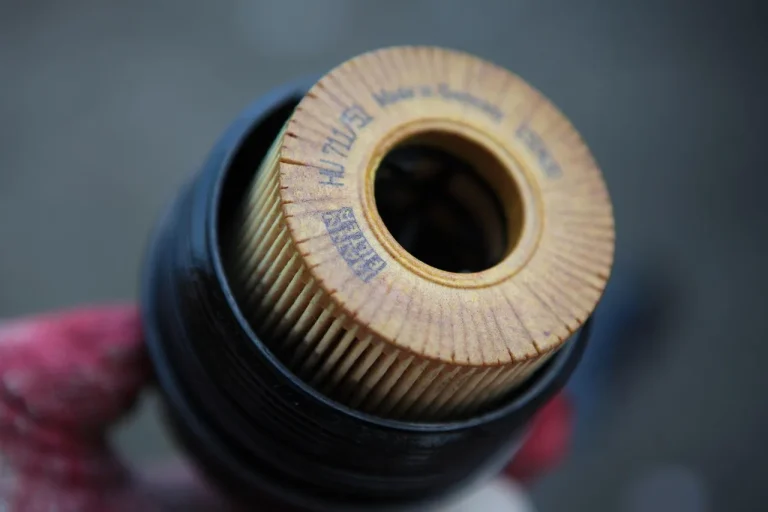
Where a serviceable filter exists, restriction matters. A clogged transmission filter can cut pressure and cause delayed engagement or slip, especially once the unit warms up.
Where leaks usually show up and what to check first
Check the easiest leak points first: the pan area, cooler lines at the transmission or radiator, axle seals, and electrical pass-through connectors where used. Transmission fluid often appears as red or reddish-brown fluid beneath the vehicle.
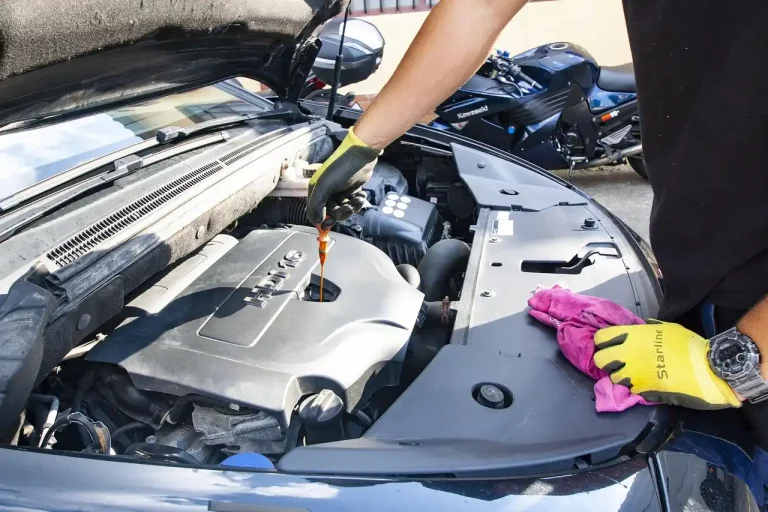
Some SUVs still have a dipstick. Others use sealed units that require a level-check procedure at a specified temperature. Do not guess. If there is no dipstick, the first owner-level job is finding fresh leaks, noting symptoms hot and cold, and deciding whether towing is safer.
A common first-timer mistake is topping off a sealed unit with the wrong fluid because the symptom feels like “just low ATF.” CVTs and some DCTs are far less forgiving about fluid type than older automatics, so the right spec matters as much as the level.
What causes an SUV transmission to slip?
SUV transmissions slip when clutch application pressure falls short or the friction parts can no longer hold load. The most common causes are low fluid, aeration, worn clutch packs or bands, torque-converter faults, valve-body wear, filter restriction, and shift-solenoid or TCM problems. CVTs and DCTs can mimic slip for different reasons.
Low fluid, aeration, and pressure loss
Low fluid is the first check because it can cause rough shifting, delayed engagement, slipping, overheating, and pressure loss all at once. If slip is worst on a turn, during braking, or uphill, fluid slosh and pickup aeration become more likely.
Torque converter, clutch-pack, and band wear
The torque converter can be both a slipping cause and a noise source. Converter clutch shudder often shows at light throttle after warm-up. A failing converter can also add heat, contaminate fluid, and turn the repair into more than a simple service.
High-mileage context matters here. At 100,000 miles and beyond, repeated slip under load fits clutch-pack wear or band wear better than a one-off software glitch, though mileage alone never proves failure and the exact service history matters more than the odometer reading.
Valve body, filter restriction, and shift-solenoid faults
Shift solenoids control fluid flow electronically. When a solenoid sticks or responds slowly, delayed engagement and hard shifting can follow. Scanner-based testing helps because the fault may show up as an electrical code, a pressure-control code, or an incorrect-gear-ratio code.
Valve-body wear can leak pressure internally, which feels like slip even when fluid level is correct. A restricted filter can create a similar pressure problem on units that use one.
CVT and DCT symptoms that feel like slip
CVT slip-like complaints often show as rpm flare without a crisp stepped shift, ratio hunting, or takeoff shudder. DCT slip-like complaints may be clutch chatter, launch hesitation, or repeated low-speed jerks. Calling all of these “slip” is fine for describing the feel, but the repair path changes by design.
Why won’t my SUV shift into drive?
If an SUV will not shift into drive, the likely causes range from very low fluid and delayed hydraulic pressure to a bad range sensor, linkage issue, TCM fault, failed solenoid, pump problem, or severe internal damage. The key split is delayed engagement versus no engagement at all.
Delayed engagement versus no engagement
If drive engages after a long pause, start with fluid and pressure. If there is no engagement in drive or reverse, risk is much higher. That pattern raises the odds of severe pressure loss, a failed pump, stripped internal parts, or major clutch failure.
Range sensor, linkage, and TCM-related causes
The gear selector can say drive while the transmission range sensor tells the TCM something else. Linkage faults and electrical faults can create a no-drive complaint without total internal failure. That is why a code scan matters early.
The TCM manages shift timing and, on many units, adapts line pressure and shift feel over time. A software update or reset can help some shift complaints, but it will not fix low fluid, burnt clutches, or broken hard parts.
Pump failure, severe pressure loss, and internal damage
If the SUV revs freely in every position, engagement is absent, and fluid is low or burnt, stop. Internal damage is more likely than a minor control issue. Towing is the safer move.
What do warning lights and limp mode mean?
Warning lights and limp mode usually mean the control system has detected a fault it considers serious enough to protect the transmission. That fault can be electronic, such as a sensor or TCM issue, or hydraulic, such as pressure loss. Limp mode is a warning, not a repair.
How the TCM controls shifts and triggers protection
The TCM oversees shift timing and watches inputs such as speed, load, and gear-ratio behavior. When the expected result does not match the actual result, it can command limp mode. Limp mode can limit the vehicle to 2nd or 3rd gear, which is consistent with manufacturer descriptions of fail-safe operation in several owner manuals and technical references (Toyota Owners; Nissan Manuals & Guides).
What a diagnostic scan can reveal first
A scan can show range-sensor faults, solenoid circuit faults, pressure-control issues, speed-sensor mismatch, or converter-clutch problems. That beats replacing parts by guesswork, especially when the fluid level is normal and symptoms are intermittent.
When a software update or reset helps and when it will not
Software updates or adaptation resets can help with poor shift timing, odd learned behavior after battery issues, or some DCT low-speed complaints. They do not fix burnt fluid, metal debris, repeated slipping, or no engagement.
Is it safe to keep driving with transmission problems?
Sometimes an SUV with a mild, single harsh shift and no slip can be driven a short distance for diagnosis. It is not safe to keep driving if fluid is low, slipping repeats, engagement fails, the smell is burnt, a leak is active, or limp mode cuts power and limits gears.
Field checklist before deciding to drive or tow
- Check for fresh fluid under the SUV. Red or reddish-brown fluid points to a transmission leak.
- If the design allows, verify fluid level and note color and odor. Burnt smell or very dark fluid raises risk.
- Start the engine and test engagement into reverse and drive with the brake firmly applied.
- Watch the dash for a check engine light or transmission warning.
- Note whether the SUV is stuck in one gear or will not upshift. That suggests limp mode.
- Think about the next miles. Highway speed, steep grades, hot weather, towing, or heavy cargo all raise risk.
When driving should stop immediately
Stop and tow if any of these show up: repeated slipping, no engagement, severe shudder, fast fluid loss, strong overheating smell, or limp mode with obvious power loss. These patterns often turn a smaller repair into major internal damage if the SUV keeps working under load.
How load and speed change the risk
A symptom that seems mild at 30 mph can become severe at 70 mph with converter lockup, heat, and sustained load. That is why a short local move to a nearby shop is different from a long freeway drive home with a trailer attached.
Fixes, repair paths, and typical costs
Fluid service, filter service, and leak repair
The least invasive path is correcting the fluid issue: fixing the leak, refilling with the exact specified fluid, and replacing the filter where the design uses one. A fluid service can solve rough or delayed shifts caused by low or degraded fluid, but it will not reverse heavy clutch wear.
Cost varies widely by transmission design, region, and fluid specification, so treat any figure as a range rather than a promise. Consumer and estimator sources commonly place transmission-fluid service in the low hundreds, while leak diagnosis and repair can climb depending on seals, cooler lines, and labor access (RepairPal transmission fluid change estimator; J.D. Power transmission repair cost guide).
Sensors, solenoids, valve body, and TCM work
If the fluid level is correct and scan results point to control faults, the next repair path is usually a sensor, a shift solenoid, a pressure-control part, valve-body work, or TCM software service. Solenoid and valve-body jobs usually cost more than a fluid service but far less than a full overhaul, with final price driven by parts access, programming needs, and whether the pan or valve body must be removed (J.D. Power transmission repair cost guide).
Solenoid problems often show up as delayed engagement or hard shifts without the deep burnt smell that stronger internal failures tend to create.
Torque converter replacement versus rebuild versus replacement
Torque converter replacement becomes more common when the symptom is shudder, lockup slip, or converter noise and the rest of the transmission is still viable. If the fluid is burnt, debris is present, or slip affects multiple gears, a rebuild moves higher on the list.
Full rebuild or replacement costs are often measured in the thousands rather than the hundreds, and remanufactured units can sometimes be the cleaner option when hard parts are damaged or repeated failures make piecemeal repair unrealistic (Consumer Reports on failing transmissions; J.D. Power transmission repair cost guide).
How to choose repair, rebuild, or replacement
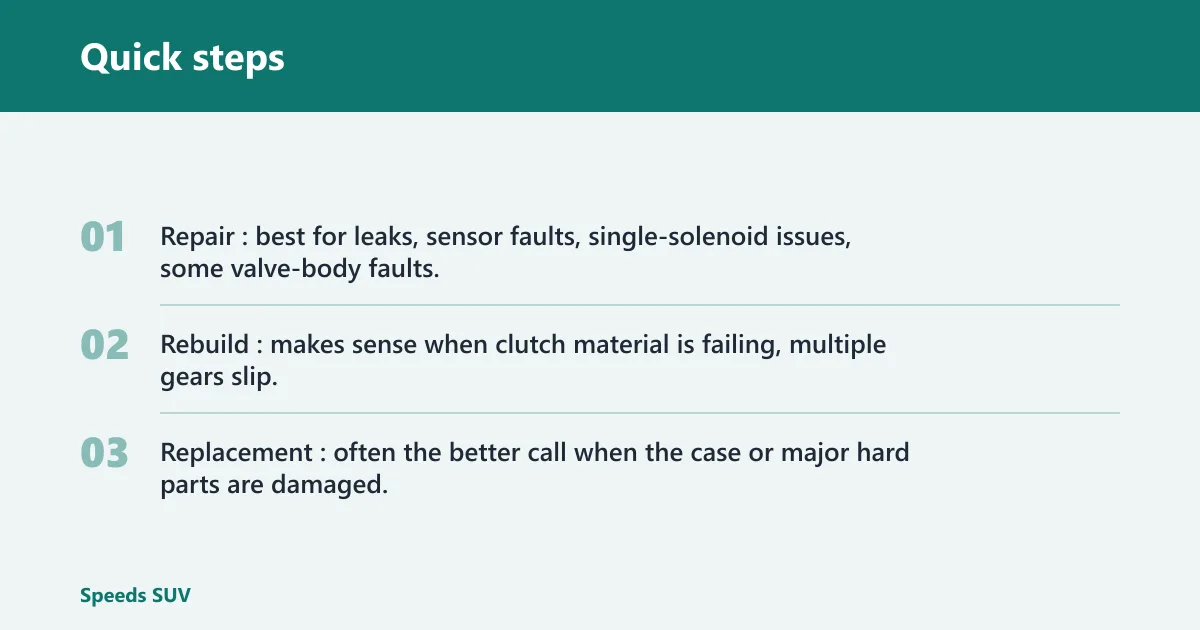
Choose the repair path by symptom severity, contamination, drivability, mileage context, and repeat failures.
- Repair: best for leaks, sensor faults, single-solenoid issues, some valve-body faults, and early fluid-related complaints.
- Rebuild: makes sense when clutch material is failing, multiple gears slip, or pressure loss remains after control faults are ruled out.
- Replacement: often the better call when the case or major hard parts are damaged, the unit has repeated failures, or a remanufactured assembly is more practical than a rebuild.
If an SUV has over 100,000 miles, dark fluid, repeated slipping, and prior transmission repairs, rebuilding or replacing is often more realistic than repeating smaller fixes. If it has one stored solenoid code, normal fluid level, and clean engagement aside from one harsh shift, a focused repair makes more sense.
Frequently asked questions
Can an SUV transmission go bad without warning?
Sometimes, but many transmissions show subtle warning signs first, such as a brief delay into gear, a small flare on one shift, a light shudder once warm, or a fresh leak. Those early clues are easy to miss until heat, load, or fluid loss turns a manageable problem into a major repair.
What does a burning smell from an SUV transmission mean?
A burning smell usually means overheated transmission fluid, though it can also come from clutch material distress or leaked fluid hitting hot exhaust parts. If the smell appears with slipping, dark fluid, or a warning light, driving risk rises sharply and towing is usually the safer choice.
How much does it cost to fix common SUV transmission issues?
Costs depend more on the repair category than the badge on the liftgate. Fluid service is usually the least expensive, solenoid or valve-body work falls in the middle, and converter, rebuild, or replacement work rises quickly. National guides and estimator tools commonly show repair spread from low hundreds to several thousand dollars.
Sources
- Honda Owners: Maintenance Minder
- Volkswagen Maintenance Schedules
- Toyota Owners: Warranty and Manuals
- Nissan Manuals & Guides
- RepairPal: Transmission Fluid Change Cost Estimator
- J.D. Power: How Much Is a Transmission Repair and Replacement Cost?
- Consumer Reports: What to Do About a Failing Transmission