Do Clogged Drain Holes in Doors Cause Truck Rust?
Yes. Clogged drain holes in doors, rockers, and tailgates can trap water, and cleaning them often helps if the metal is still intact. Bubbling paint, swollen seams, or rusty runoff means internal corrosion may already be spreading. Ignore it, and you can turn a cheap drain cleanout into rust repairs, panel replacement, or tailgate failure. This guide explains how to tell a simple blockage from hidden rust and what each symptom means.
How trapped moisture causes rust
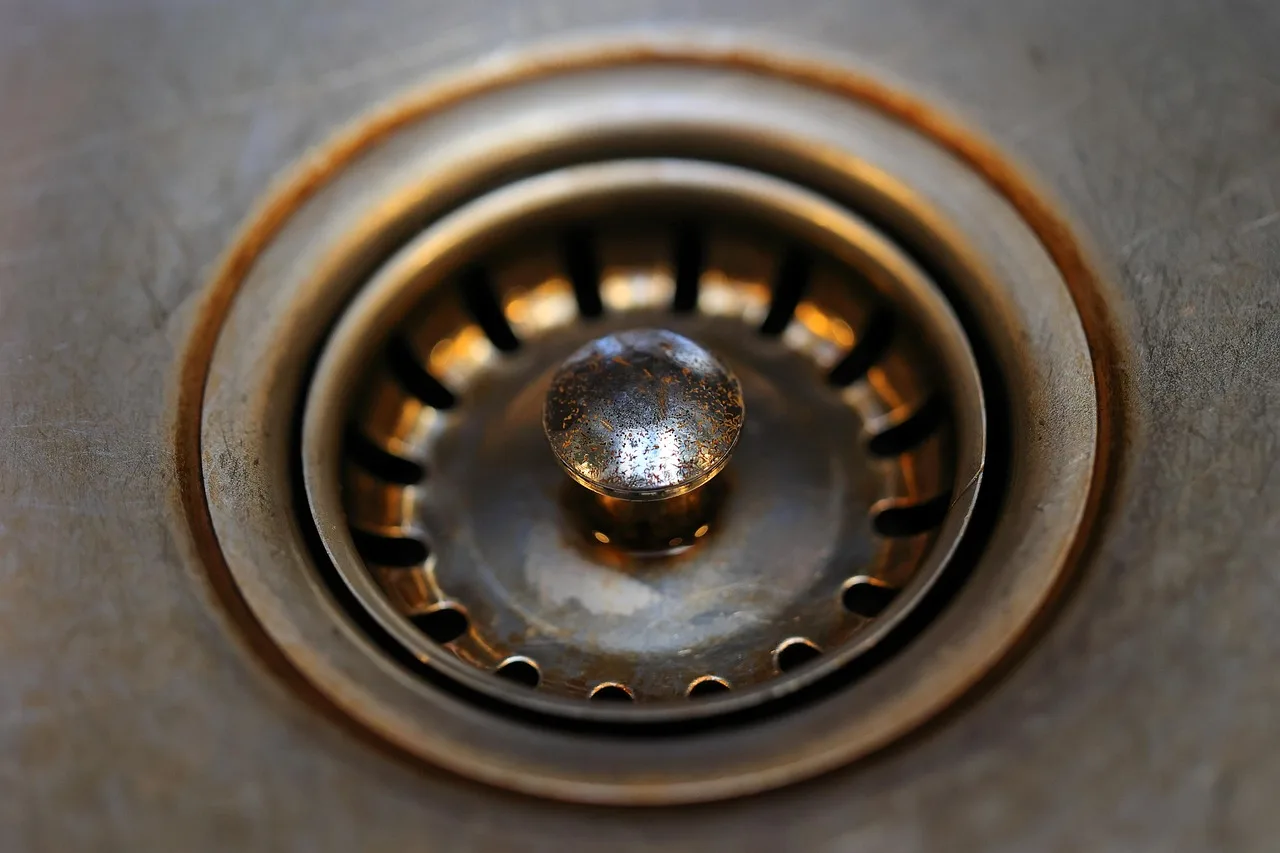
Yes. When water cannot leave a panel cavity, rust risk rises fast. Drain holes are factory water exits in doors, rockers, and tailgates, and they need to stay open so moisture can drain out. Dirt, mud, wax, undercoating, paint overspray, and road debris can block them.
What drain holes do in doors, rockers, and tailgates
Truck doors have a lower hem seam where water enters through the window run channels and past weatherstrips. Rocker panels are hollow lower body sections that collect trapped moisture inside the structure. Many pickup tailgates have a sealed cavity with lower drain openings that release rainwater, wash water, and condensation.
How blocked drains turn moisture into rust
Water left in a hidden cavity does two things: it wets bare steel and keeps it wet long enough for oxidation to continue. Flash rust can appear as orange staining after brief exposure. If moisture stays trapped, perforation rust can eventually eat through metal and create holes.
| Panel location | Likely blockage cause | Escalation level | Decision rule |
|---|---|---|---|
| Door lower hem | Dirt, wax, or packed road grit | Clean now | If water drains after clearing and no rust stain returns, keep monitoring. |
| Door cavity behind weatherstrip | Damaged vapor barrier or debris past the trim | Inspect with borescope | If staining returns or the inner hem stays damp, look inside before sealing it back up. |
| Rocker panel drain slots | Mud, undercoating, or prior bodywork blocking exits | Inspect with borescope | If the rocker sounds gritty, stays wet, or shows bubbles, assume hidden corrosion until proven otherwise. |
| Tailgate lower edge | Wash water, condensation, or latch-area debris | Clean now | If rusty runoff appears at the seam after cleaning, move to internal inspection. |
| Tailgate hem or latch area | Water trapped by seals, accessories, or prior repairs | Body repair needed | If the seam is swollen, perforated, or soft, cleaning alone will not stop the damage. |
How water gets trapped inside truck panels
Water usually enters through normal use. Then it gets held by blocked drain paths, heavy mud, thick undercoating, aftermarket liners, or sealant from prior bodywork. Salt makes the problem worse because it keeps moisture conductive and speeds corrosion in the same places drains are supposed to dry.
Truck door cavities and lower hem seams
Truck doors are vulnerable because the lower hem seam is a collection point for runoff. A torn vapor barrier lets water reach the inner shell, and blocked drain slots prevent it from leaving. If the lower edge stays damp after rain or a wash, the cavity deserves inspection, not just exterior touch-up.
Rocker panels and hidden structural rust
Rocker panels matter more than most owners expect. They are structural lower body sections, so rust can start inside and show up late on the outside. That is why a rocker can look normal, then reveal bubbling paint or soft metal after the inner steel has already thinned.
Tailgate cavities, latch areas, and lower drains
Tailgates can trap water in the inner shell, along the lower hem, and around the latch area. On pickups, the cavity may collect rainwater from wet weather, wash water from cleaning, or condensation from temperature swings. If the drain openings clog, the inside can rust long before the outer skin looks bad.
What are the early signs of drain hole rust?
Early signs are usually stains, dampness, or a slow drip of rusty water, not holes. Flash rust is surface oxidation, while perforation rust is metal loss. The first can often be addressed after cleaning; the second points to deeper damage that may need repair.
Flash rust versus perforation rust
Flash rust tends to look like orange or brown staining at the drain slot, hem seam, or lower edge after the panel has been wet. Perforation rust is more serious. Once rust eats through the metal, the panel can leak, flex, or separate at the seam, which affects both structure and resale value.
Signs that the problem is only blockage
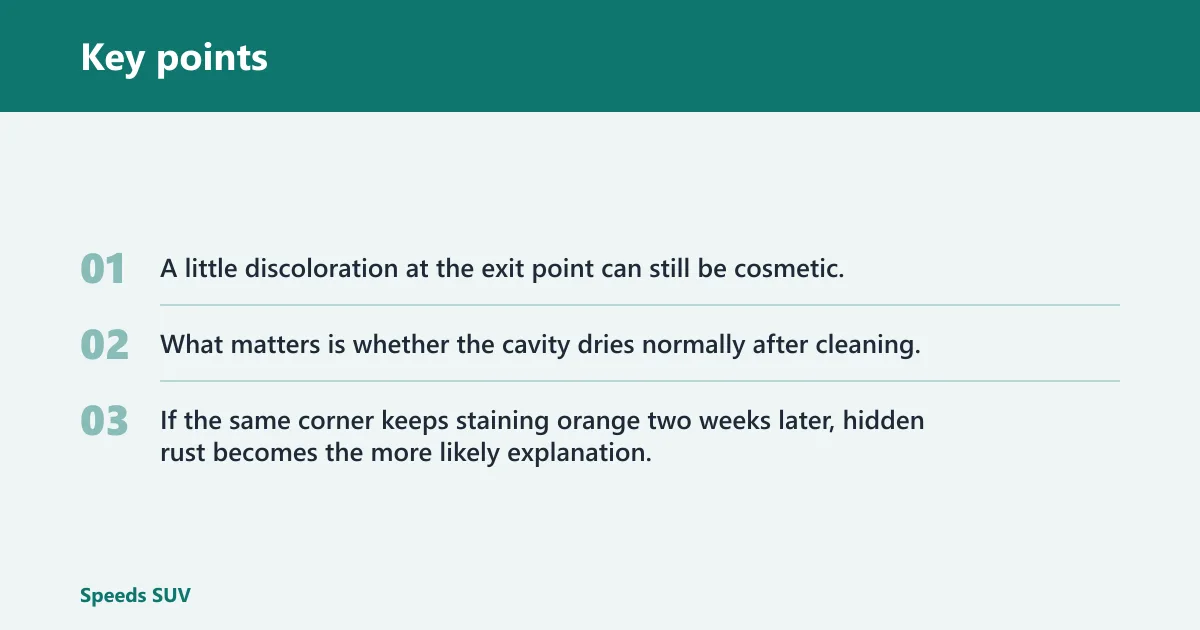
If water flows out after you clear the slot, the paint around the drain stays smooth, and the seam does not swell, the issue may be blockage only. A little discoloration at the exit point can still be cosmetic. What matters is whether the cavity dries normally after cleaning.
Say your truck door has a damp lower corner after a rainstorm, but the drain slot was packed with dirt and water pours out once it is cleared. That is a blockage problem first. If the same corner keeps staining orange two weeks later, hidden rust becomes the more likely explanation.
How do you clear drain holes without damaging paint?
Use a non-marring tool and clear the opening gently. A plastic trim tool or pick is preferred over a sharp metal probe, because sharp edges can scratch paint, cut seals, or enlarge the drain slot. Compressed air can help, but only if you do not force debris deeper into the cavity.
-
Locate each drain slot.
Check the lower door edge, rocker underside, and tailgate bottom seam for factory openings. If a slot is hidden by mud, undercoating, or an accessory cover, clean the outer area first so you can see the exit point. -
Probe with a plastic tool.
Insert the tool just enough to loosen packed dirt or wax. Use light pressure; if the slot does not clear easily, stop and inspect rather than scraping harder. -
Rinse and drain.
Flush the area with clean water and watch for steady flow from the opening. A drain that releases water in a short burst and then stops may still be partially blocked. -
Use compressed air carefully.
Apply short bursts from a safe distance, not a long blast into the cavity. The goal is to move loose debris out of the path, not drive grit deeper against the seam. -
Dry and recheck.
Wipe visible moisture from the exterior and inspect again after a short drive or after the panel sits in the sun. If rust-colored runoff returns, the cavity needs a closer look.
A common first-timer mistake is to push a stiff metal pick into the slot until it feels clear. That can scratch the finish and damage seam sealer. Another mistake is to aim compressed air into a rocker opening without checking where the debris goes. The grit often ends up wedged farther inside.
What tools you need
Keep the tool list simple. A plastic trim tool or pick, a flashlight, clean water, a microfiber cloth, and compressed air are enough for a basic drain check. If hidden corrosion is suspected, add a borescope or inspection camera so you can look inside without cutting metal.
When does a clogged drain hole mean hidden rust?
Recurring blockage, rusty runoff, bubbling paint, or a soft seam usually means the panel is already corroding inside. Cleaning is enough when the drain clears and dries normally. If the same opening blocks again soon, or the cavity stays damp, the problem is no longer just debris.
Using a borescope or inspection camera
A borescope or inspection camera helps confirm hidden corrosion in doors, rockers, and tailgates without disassembly. Feed it through the drain opening or an access hole and look for scale, blistered seam sealer, wet insulation, or rust trails behind seams. That is the cleanest way to separate cosmetic staining from internal damage.
When cleaning is not enough
If you find perforation rust, swelling around a hem seam, or flaking metal inside the cavity, the panel needs more than a drain flush. Depending on location and severity, that may mean cutting out rust, treating bare steel, sealing the cavity, or replacing part of the panel. Structural rust should not be ignored.
How can you stop drain hole rust from coming back?
Keep lower panels clean, dry, and open. Rinse salt and mud from the bottom of the truck, check the drains on a regular schedule, and protect the cavity after cleaning. If drains clog again quickly, the cause may be undercoating, trapped debris, or a repair that blocked the factory path.
Rinsing salt and mud from lower panels
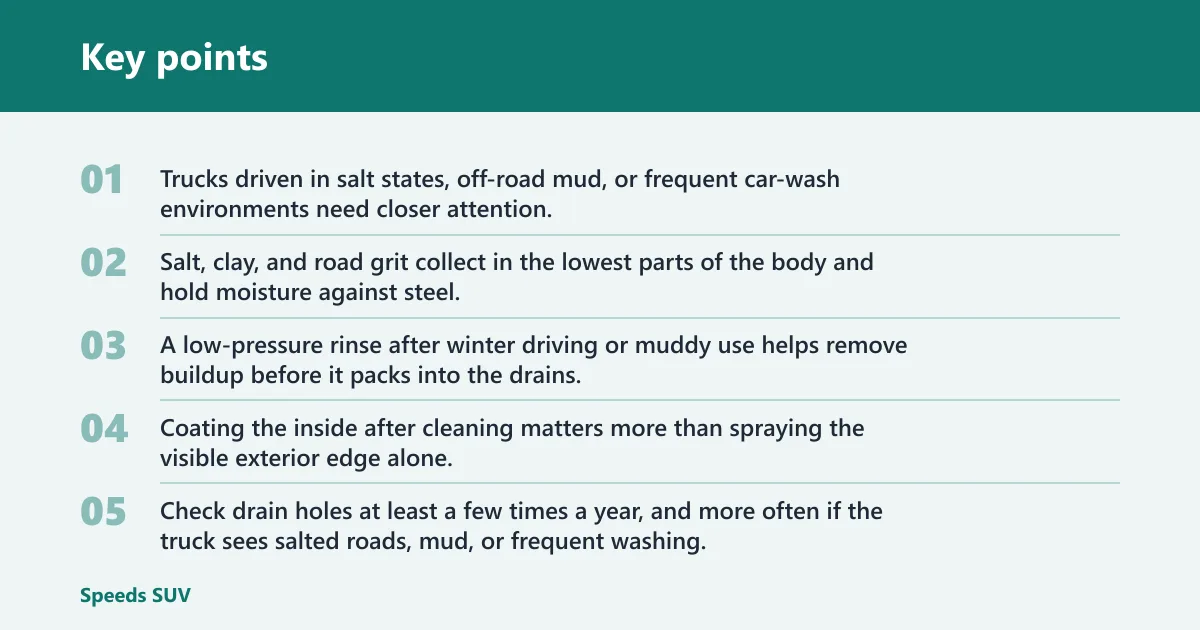
Trucks driven in salt states, off-road mud, or frequent car-wash environments need closer attention. Salt, clay, and road grit collect in the lowest parts of the body and hold moisture against steel. A low-pressure rinse after winter driving or muddy use helps remove buildup before it packs into the drains.
Using cavity wax or rust inhibitor after cleaning
After the panel is dry and the drains are open, a rust inhibitor or cavity wax can help slow repeat corrosion in hidden seams and cavities. Use products meant for enclosed body panels. Coating the inside after cleaning matters more than spraying the visible exterior edge alone.
Inspection intervals for hard-use trucks
Check drain holes at least a few times a year, and more often if the truck sees salted roads, mud, or frequent washing. A quick seasonal inspection is usually enough for mild use. Heavy use calls for shorter intervals, because a blocked drain can return between routine washes.
Suppose a pickup spends winter on salted roads and then gets washed every weekend. If the tailgate drain slot stays packed with gray grit, the cavity can keep wetting the inner hem even after the outside looks clean. That is the kind of repeated blockage that turns a simple cleanout into a rust check.
Frequently asked questions
Do clogged drain holes in truck doors cause rust?
Yes. If drain holes in truck doors stay blocked, water can collect in the lower hem and behind the weatherstrips. A simple cleaning may solve it when the metal is still sound, but repeat staining or bubbling points to corrosion inside the door shell.
Can rust start from clogged drain holes in rockers?
Yes, and rockers are one of the highest-risk areas because they are hollow structural sections. Rust can begin inside the rocker and stay hidden until the outside bubbles or softens. If the drain slots are blocked and the panel stays damp, inspect the cavity early.
How do you clean drain holes in truck doors and tailgates?
Use a plastic trim tool or pick to loosen debris, then flush the area with clean water and let it drain. Short bursts of compressed air can help, but avoid forcing grit deeper into the cavity. Stop if the drain stays blocked or rusty water keeps returning.
What happens if rocker panel drain holes are blocked?
Blocked rocker drains can trap moisture in a structural section, which may lead to internal rust, seam damage, and eventual perforation. Because the rust starts inside, the outside may look fine until the metal is already thin. That is why rocker drains deserve prompt inspection.
Can clogged drain holes cause tailgate rust on a pickup?
Yes. Tailgates often hold water in the inner cavity, lower hem, and latch area. If the drain openings clog, water from rain, washing, or condensation can sit against bare steel. Rust-colored runoff from the bottom edge is a warning that the inside needs inspection.
Should I drill extra drain holes in my truck doors?
No, drilling extra holes should not be the first move. It can create new rust points, weaken coatings, or miss the real problem, such as blocked factory drains or hidden corrosion. Start by clearing the designed drain paths and inspecting the cavity if the blockage keeps returning.